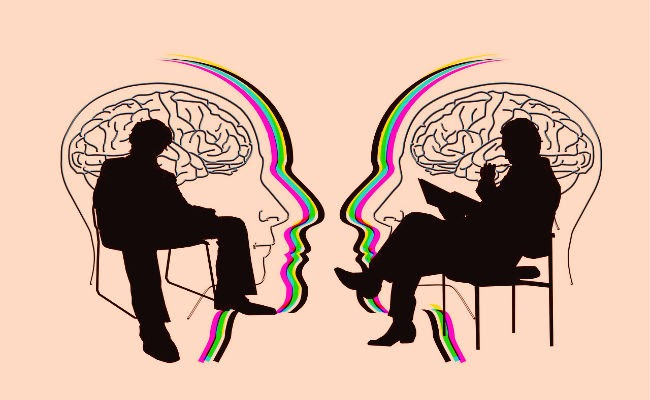
Becoming a mother is a huge turning point in a woman’s life, bringing about new responsibilities and challenges. It can be even tougher being a teenage mother, not only because of the stress brought in by caring for the child but also because of judgments and criticism from others. While parenting itself is demanding, often it is the social stigma and pressures which have an even bigger impact on their mental health. When people feel they are being watched, criticized, or looked down upon, it tends to enhance stress, diminish self-esteem, and often culminate into depression. This essay will look at how society’s judgment shapes the emotional experiences of teenage mothers and why addressing these pressures is so important.
Teenagers already are extremely sensitive to how others perceive them, and many will do almost anything to fit in. Developmental psychologist Erik Erikson describes this stage as the “Identity vs. Role Confusion” period, when young people are trying to figure out who they are and where they belong. When a teenager becomes pregnant, that need for acceptance suddenly collides with the harsh reactions they often receive. Rather than being supported while still learning about themselves, they face judgment that labels them well before they might have shaped their identity. The label “teen mom” can become so heavy that it overshadows everything else they are or hope to become. Research has shown that pregnant teens are frequently teased or excluded by their peers, which harms their confidence and diminishes their motivation to stay in school. One South African study found that many teenage mothers were mocked and isolated by classmates, leaving them “ashamed of themselves and unaccepted by the community.” These feelings often led to lower self-esteem and declining academic performance (2023). However, the discrimination they face does not only come from other teenagers. It can also appear through institutional bias, even within places that are supposed to help them. Many young mothers report being treated unfairly by teachers, school administrators, and healthcare providers. One account describes a school removing a pregnant student from her honors classes and discouraging her college plans while a hospital nurse scolded her in front of others (2025). When support is missing from both peers and institutions, teens can be left feeling isolated and unsure of where to find help. This feeling of being utterly alone can make a young mother feel she has nowhere to turn. Even when she tries to stay in school, keep up with her prenatal care, or continue working toward goals, being treated like she has failed can slowly take away her motivation. Shame is more than hurtful; it affects mental health, academic success, and long-term opportunities. And because teenagers are still forming their identities, these experiences can affect how they view themselves for years to come, even into adulthood.
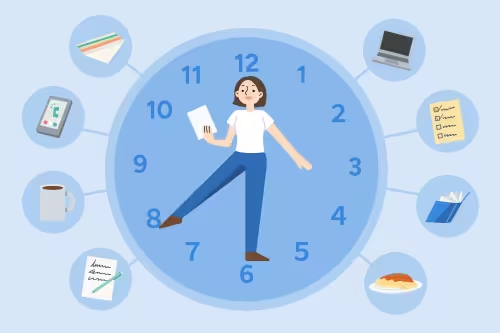
Some people argue that the biggest source of mental health challenges for teenage mothers is the stress that comes with early motherhood itself. And there’s truth in that, because raising a child while still growing up brings responsibilities many teens are simply not prepared for. Research from the National Library of Medicine indicates that teen mothers often experience disrupted education, financial hardship, unstable housing, and very limited access to childcare (2017). Since their brains are still developing, especially the areas that help with planning ahead and staying emotionally steady, teens encounter challenges that adults are usually better equipped to handle. When a teen suddenly becomes responsible for a newborn, she is expected to make adult decisions and maintain stability without the same mental tools older adults rely on. This gap between her developmental stage and the demand of parenting creates intense pressure. On top of that, she must manage schoolwork while caring for a newborn, navigating late-night feedings, unpredictable schedules, and the constant pressure of financial responsibilities. These challenges leave many young mothers feeling overwhelmed, uncertain, and stretched in every direction. The exhaustion can make it difficult to stay on top of school, heighten stress levels, and create the painful sense that peers are moving forward while she struggles to keep up. In addition to the mental strain, teenage mothers face significant physical demands. Interrupted sleep, irregular meals, and the ongoing recovery from childbirth all take a toll, making it even harder to maintain emotional balance. While about 15% of adult mothers suffer from postpartum depression, teen mothers do so at nearly double that rate because they usually have fewer emotional supports, much less financial stability, and have reduced access to mental health care (Cleveland Clinic, 2023). Early motherhood pushes teenagers into roles which they are not yet prepared to fulfill, and this combination of emotional, physical, and practical trials puts young mothers particularly at risk for long-term mental and emotional complications.
However, while the challenges of early motherhood are undeniably heavy, they become even harder when combined with the judgment and rejection teenage mothers face from society. When schools, communities, or even family members respond with shame instead of compassion, it adds an emotional weight that can feel overwhelming. As psychologists Diksshita Jadhav and Kelly-Ann Allen acknowledge, positive relationships and acts of kindness can significantly improve one’s mental well-being; however, teenage mothers often receive far less support than they actually need. Instead of encouragement or practical help, many are made to feel like failures before they even begin, thus intensifying their stress. This combination of real-life struggles and harsh social judgment creates a cycle that deeply harms their mental health. As studies indicate, 66.4% of adolescent mothers are diagnosed with a mental disorder, and 27.4% face suicidal risk (2024). Social-science research also makes it clear that solid support networks reduce postpartum depression and improve outcomes for both mothers and their children (2020). Quite simply, blaming young mothers instead of supporting them leads to striking rises in anxiety, depression, and low self-esteem.
Teen pregnancy is often normalized in social settings, yet research shows it can lead to serious mental health challenges that are not always recognized or addressed. One study found that when adolescents have a clearer understanding of the consequences of pregnancy, especially when they sense disapproval from a parental figure, they tend to form stronger negative attitudes toward becoming pregnant themselves (2003). This indicates that open, honest conversations and realistic counseling can help the young person better understand the true weight of early parenthood. Despite the normalization or romanticization of teenage pregnancy, providing factual information and education helps teens establish more realistic expectations and make better choices. For those who do become young parents, support becomes essential. Studies show that peer support programs can make a meaningful difference, but they are most effective when they are carefully structured and guided by trained professionals (2019). These programs give teenage mothers more than just practical help—they provide emotional reassurance, reduce feelings of isolation, and remind them they are not facing society’s criticism alone. Equipped with a supportive network to fall back on, young mothers gain confidence, build resilience, and feel ready to take on not just their responsibilities but also the stigma attached to them. Providing a space where the young mother feels understood, respected, and encouraged can improve her mental health, strengthen her self-esteem, and help her pursue long-term goals despite the many barriers along the way.
Teenage motherhood is often viewed as difficult because of the responsibility of raising a child, but the emotional reality is much more complicated. After looking at the research and thinking about what teenagers go through, it becomes clear that the harsh judgment they face can be even more damaging than the challenges of parenting itself. The stress of caring for a baby is real, but it becomes much heavier when a young mother also has to deal with people treating her as if she has already failed. That kind of stigma affects how she sees herself, how she moves through school, and how she imagines her future. The thing that has really stuck with me, though, is how much of this could change with real support. When teenage mothers are met with kindness instead of criticism, they feel capable. When schools and health providers offer encouragement rather than judgment, young mothers are more willing to ask for help. And when families and communities choose understanding over shame, the emotional wounds that so often come with teen pregnancy do not cut quite so deep. The research bears this out, but it also feels true from a basic human standpoint: people grow when they are valued, and teenagers especially need that feeling of acceptance as they are working to figure out who they are.
REFERENCES
Mental Health of Adolescents. 1 Sept. 2025, www.who.int/news-room/fact-sheets/detail/adolescent-mental-health#:~:text=Multiple%20factors%20affect%20mental%20health,recognized%20risks%20to%20mental%20health
Moganedi, Shonisane Emily, and Tshimangadzo Selina Mudau. “Stigma and Mental Well-Being Among Teenage Mothers in the Rural Areas of Makhado, Limpopo Province.” Social Sciences, vol. 13, no. 1, Dec. 2023, p. 18. https://doi.org/10.3390/socsci13010018.
Mangeli, Massoumeh, et al. Exploring the Challenges of Adolescent Mothers From Their Life Experiences in the Transition to Motherhood: A Qualitative Study. 1 Sept. 2017, pmc.ncbi.nlm.nih.gov/articles/PMC6045691.
—. Exploring the Challenges of Adolescent Mothers From Their Life Experiences in the Transition to Motherhood: A Qualitative Study. 1 Sept. 2017, pmc.ncbi.nlm.nih.gov/articles/PMC6045691.
Watts, Susan May. “Postpartum Depression Among Adolescent Mothers in the United States – Ballard Brief.” Ballard Brief, 20 Nov. 2025, ballardbrief.byu.edu/issue-briefs/postpartum-depression-among-adolescent-mothers-in-the-united-states#:~:text=,higher%20risk%20for%20developing%20PPD.
Allen, Kelly-Ann, PhD. “Helping Others May Be More Beneficial for You Than You Think.” Psychology Today, 20 Nov. 2024, www.psychologytoday.com/us/blog/sense-of-belonging/202411/being-there-for-others-whats-in-it-for-you?msockid=00c58976ea696dc33a0c9f53eb0b6c2a.
De Sousa Machado, Tiffany, et al. “First-time Mothers’ Perceptions of Social Support: Recommendations for Best Practice.” Health Psychology Open, vol. 7, no. 1, Jan. 2020, p. 2055102919898611. https://doi.org/10.1177/2055102919898611.
Miafo, Joël Djatche, et al. “Perinatal Mental Disorders and Suicidal Risk Among Adolescent Mothers Living in Urban Areas of Cameroon.” Frontiers in Psychiatry, vol. 15, June 2024, p. 1306440. https://doi.org/10.3389/fpsyt.2024.1306440.
Jones, Catriona, et al. “‘Other Girls’: A Qualitative Exploration of Teenage Mothers’ Views on Teen Pregnancy in Contemporaries.” Sexuality & Culture, vol. 23, no. 3, Feb. 2019, pp. 760–73. https://doi.org/10.1007/s12119-019-09589-4.
Jones, Catriona, et al. “‘Other Girls’: A Qualitative Exploration of Teenage Mothers’ Views on Teen Pregnancy in Contemporaries.” Sexuality & Culture, vol. 23, no. 3, Feb. 2019, pp. 760–73. https://doi.org/10.1007/s12119-019-09589-4.